When Your Smart Home Turns Against You#
The promise was convenience—lights that anticipate your needs, thermostats that optimize comfort, appliances that think for themselves. But as millions of homes fill with connected devices, a troubling pattern has emerged: these “smart” systems are causing injuries, property damage, and security breaches at alarming rates.
From smart ovens that start fires to security cameras that expose private moments, smart home technology has created an entirely new category of liability claims that traditional product law never anticipated.
Categories of Smart Home Liability#
Smart Thermostats and HVAC#
Connected climate control systems that can cause temperature-related harm.
Incident Types:
| Failure Mode | Consequences | At-Risk Populations |
|---|---|---|
| Heating Failure | Hypothermia, frozen pipes, property damage | Elderly, infants, disabled |
| Cooling Failure | Heat stroke, heat exhaustion | Elderly, those with medical conditions |
| Erratic Behavior | Extreme temperature swings | All occupants |
| Learning Errors | Prolonged uncomfortable/dangerous conditions | Vacation homes, rental properties |
| Connectivity Loss | Unable to control home climate remotely | Dependent users |
Vulnerable Population Alert
Smart Security Systems#
AI-powered security devices designed to protect—but sometimes fail catastrophically.
Common Failures:
- False Alarms — AI misidentifying threats, triggering armed response
- Missed Intrusions — System failing to detect actual break-ins
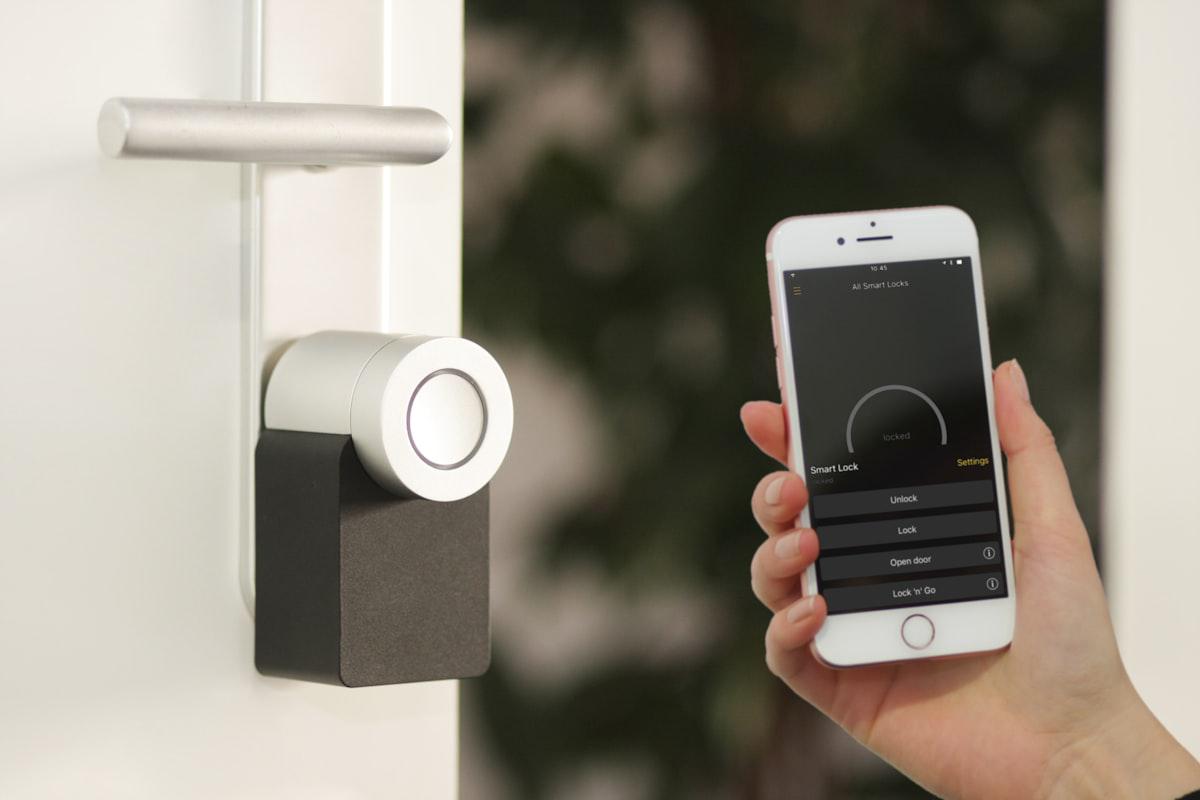
- Lock Malfunctions — Smart locks failing open or failing closed
- Camera Blind Spots — AI-positioned cameras missing coverage areas
- Data Breaches — Exposing video feeds to unauthorized parties
- Battery Failures — Devices dying at critical moments
Privacy and Security Incidents:
- Hackers accessing live camera feeds
- Audio recordings shared without consent
- Video doorbells capturing neighbor properties
- Cloud storage breaches exposing private footage
- AI facial recognition misidentifying family members as threats
Connected Kitchen Appliances#
Smart ovens, refrigerators, and cooking systems with AI functionality.
Smart Oven Incidents:
- Remote preheat igniting nearby flammables
- Temperature sensor failures causing overcooking/fires
- Self-cleaning cycle thermal runaway
- Child-initiated remote activation
- Software glitches holding high temperatures
Smart Refrigerator Failures:
- Cooling system failures leading to food spoilage
- Ice maker flooding
- Temperature notification failures
- Energy management modes allowing unsafe temperatures
- Screen malfunctions creating fire hazards
Connected Cooking Devices:
- Pressure cooker seal failures
- Slow cooker temperature spikes
- Air fryer heating element runaway
- Smart kettle boil-dry incidents
- Recipe-connected devices cooking at wrong settings
Smart Smoke and CO Detectors#
Networked detection systems that may fail when needed most.
Critical Failure Modes:
- Connectivity-dependent alerts failing during outages
- AI “nuisance alarm” reduction disabling real alerts
- Battery notification failures
- Cross-device communication breakdown
- Voice alert malfunctions
- Silencing features preventing proper warning
Water Leak and Flood Sensors#
Smart water management systems that can cause or fail to prevent damage.
Incident Types:
- False positive shutoffs cutting water supply
- Failure to detect slow leaks
- Automated shutoff valve malfunctions
- Delayed notifications missing flooding
- Integration failures with sump pumps
Smart Plugs and Electrical Systems#
Connected power management creating fire and shock hazards.
Common Issues:
- Overheating from sustained high loads
- Arc fault failures
- Remote activation of dangerous appliances
- Integration with non-compatible devices
- Firmware bugs affecting power delivery
Legal Framework for Smart Home Claims#
Product Liability Theories#
Design Defect#
When the product’s fundamental design creates unreasonable risk:
- Security system that can be disabled remotely without authentication
- Thermostat lacking manual override capability
- Oven without physical temperature limits
- Lock without mechanical backup
Test Applied: Risk-utility balancing—did design benefits outweigh risks, and were safer alternatives feasible?
Manufacturing Defect#
When a specific unit deviates from design specifications:
- Faulty sensor installation
- Defective battery cells
- Improper circuit board assembly
- Calibration errors
Test Applied: Did this unit match the manufacturer’s own design and quality standards?
Failure to Warn#
When risks aren’t adequately communicated:
- Missing warnings about connectivity dependencies
- Inadequate security update information
- Unclear limitations of AI features
- Insufficient installation requirements
Test Applied: Would adequate warnings have prevented the harm?
Negligence Claims#
Beyond strict product liability, negligence theories apply:
Against Manufacturers:
- Inadequate testing before market release
- Failure to monitor post-sale performance
- Delayed response to reported failures
- Insufficient quality control
Against Installers:
- Improper installation creating hazards
- Failure to configure safety features
- Inadequate user training
- Incompatible system integration
Against Service Providers:
- Cloud service outages affecting safety functions
- Inadequate data security
- Failure to push critical updates
- Poor customer support response to emergencies
Privacy and Data Security Claims#
Smart home devices create unique privacy liability:
| Legal Theory | Application |
|---|---|
| Intrusion Upon Seclusion | Unauthorized access to cameras, microphones |
| Public Disclosure | Data breaches exposing private information |
| Negligent Data Security | Inadequate protection of collected data |
| Wiretapping Statutes | Recording without consent (varies by state) |
| CCPA/State Privacy Laws | Failure to disclose data practices |
Case Studies#
Patterson v. SmartTherm Inc.
Elderly woman found deceased in home after smart thermostat learning algorithm reduced heating during cold snap. System had no manual override visible to user, and WiFi outage prevented remote alert.
Rodriguez v. SecureHome Systems
Smart lock suffered firmware failure, locking family out during extreme heat emergency. Child hospitalized for heat exhaustion. Evidence showed manufacturer aware of similar failures before incident.
Johnson v. ConnectedAppliance Co.
House fire caused by smart oven receiving remote preheat command from hacked user account. Investigation revealed manufacturer's app had known security vulnerability for 8 months before incident.
Williams v. HomeSecurity Plus
Home invasion occurred while smart security system showed 'protected' status. Sensor failure wasn't detected due to inadequate self-diagnostics. Family suffered PTSD and physical injuries.
Building a Smart Home Liability Case#
Unique Evidence Challenges#
Smart home cases present distinct evidence issues:
Data May Be in the Cloud
- Device logs stored on manufacturer servers
- Requires legal process to obtain
- May be subject to data retention limits
- Can be modified or deleted by manufacturer
Firmware May Have Changed
- Over-the-air updates alter device behavior
- Version at time of incident may no longer exist
- Manufacturer controls update records
Integration Complexity
- Multiple devices may interact unexpectedly
- Third-party apps may introduce vulnerabilities
- Home network configuration affects behavior
User Configuration Questions
- What settings were active at time of incident?
- Were safety features intentionally disabled?
- Was device used within intended parameters?
Evidence Preservation Steps#
Act Immediately
Physical Evidence:
- Preserve the device itself—do not factory reset
- Photograph all physical damage and device placement
- Document visible indicators (LED status, screen messages)
- Preserve any burned or damaged materials
- Maintain device in powered-off state unless advised otherwise
Digital Evidence:
- Screenshot any app notifications or error messages
- Export device history from companion apps if possible
- Request data export under CCPA/state privacy laws
- Document home network configuration
- Preserve router logs if available
- Note all other connected devices and integrations
Account Evidence:
- Document account activity logs
- Record connected service status
- Note any recent firmware updates
- Capture shared access permissions
- Export purchase records and warranty information
Expert Witnesses#
Smart home cases require specialized expertise:
| Expert Type | Role |
|---|---|
| IoT Security Specialist | Device vulnerabilities, hacking vectors, data security |
| Embedded Systems Engineer | Firmware analysis, hardware failures, design flaws |
| Fire Investigator | Origin and cause of smart device fires |
| Electrical Engineer | Electrical failures, power system issues |
| Human Factors Expert | User interface, warning adequacy, foreseeable misuse |
| Digital Forensics | Data recovery, cloud evidence, log analysis |
| Cybersecurity Expert | Breach analysis, vulnerability assessment |
Damages in Smart Home Cases#
Categories of Recovery#
Personal Injury Damages:
- Medical expenses for burns, heat/cold injuries, smoke inhalation
- Physical therapy and rehabilitation
- Pain and suffering
- Emotional distress (particularly for privacy breaches)
- Loss of consortium
Property Damages:
- Fire and smoke damage repair
- Water damage restoration
- Damaged personal property replacement
- Temporary housing during repairs
- Increased insurance premiums
Privacy-Specific Damages:
- Emotional distress from exposure
- Costs of identity protection
- Reputational harm
- Loss of privacy and seclusion
- Statutory damages where applicable
Punitive Damages: Available when manufacturer:
- Knew of security vulnerabilities and didn’t patch
- Ignored reports of dangerous malfunctions
- Prioritized features over safety
- Made false security claims in marketing
Factors Affecting Case Value#
| Factor | Impact |
|---|---|
| Severity of harm | Primary value driver |
| Manufacturer knowledge | Prior incidents, internal warnings |
| Security negligence | Hackable devices, unpatched vulnerabilities |
| Privacy violation extent | Duration, scope of exposure |
| Vulnerable victim | Elderly, disabled, children |
| Fire/catastrophic damage | High property damage adds value |
| Clear defect evidence | Device data showing malfunction |
The Internet of Things Liability Gap#
Regulatory Challenges#
Smart home devices fall into a regulatory gap:
- CPSC has limited IoT expertise and reactive enforcement
- FTC focuses on deceptive practices, not safety
- No federal IoT safety standards exist
- State regulation is fragmented and minimal
- Industry self-regulation prioritizes innovation over safety
This regulatory void means private litigation is often the primary mechanism for accountability.
Software as Product#
Courts are increasingly grappling with whether software updates constitute “products” for liability purposes:
- Traditional product liability addressed tangible goods
- IoT devices receive continuous software changes
- A “safe” device can become dangerous through updates
- Manufacturer control persists throughout product life
Emerging Doctrine: Several courts have held that software integral to physical device function is subject to product liability, even when delivered post-sale through updates.
Frequently Asked Questions#
Find a Smart Home Liability Attorney#
Smart home cases require attorneys who understand both product liability and technology:
- IoT device architecture and failure modes
- Cloud service liability and data preservation
- Privacy law and security breach claims
- Complex multi-defendant litigation
- Technical expert coordination
- Consumer protection statutes
Related Resources#
- Robotic Lawn Mower Injuries — Unattended outdoor automation risks
- Understanding Liability — Product liability frameworks
- Evidence Checklist — What to preserve after an incident
- Filing a Claim — Step-by-step claims process
Injured by a Smart Home Device?
The convenience promised by smart home technology shouldn't come at the cost of your safety. Connect with attorneys who understand both the technology and the law.
Get Free Consultation