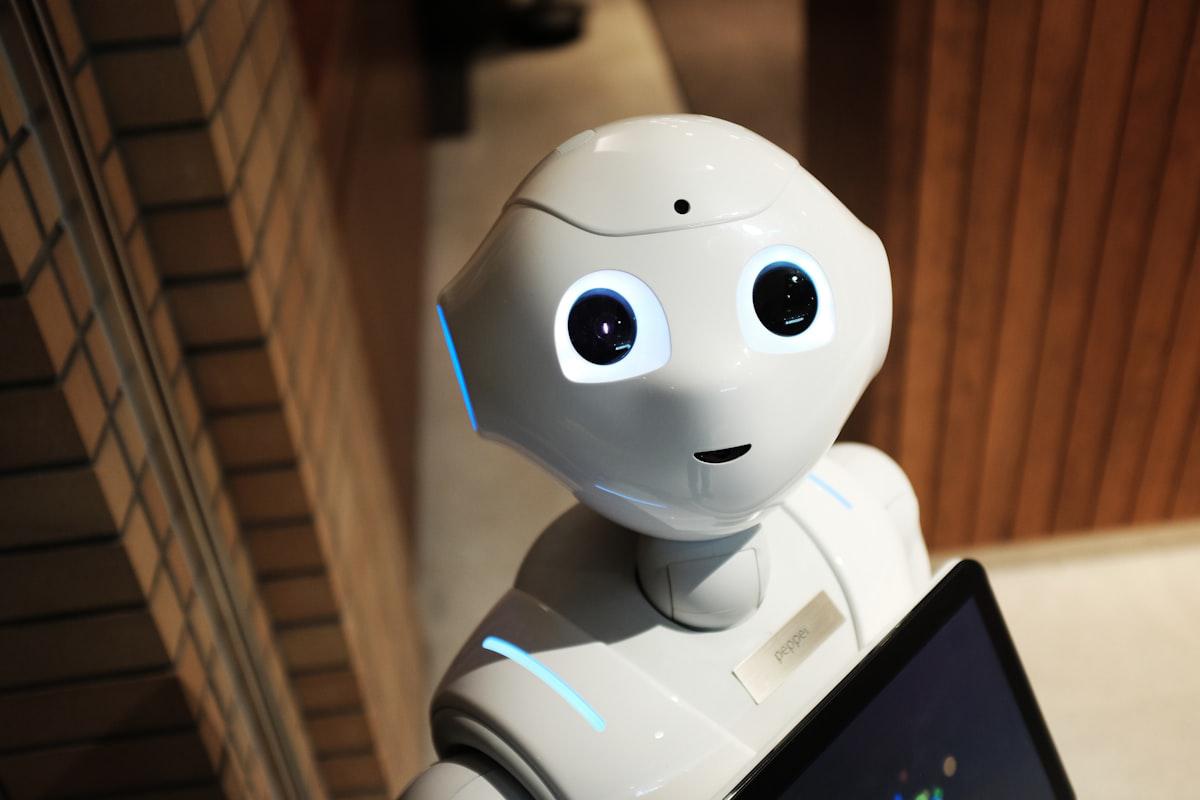
When Workplace Robots Cause Harm#
The modern factory floor is no longer rows of human workers—it’s a choreographed dance of robotic arms, autonomous vehicles, and AI-controlled systems. These machines work faster, longer, and harder than any human. They’re also responsible for thousands of serious workplace injuries every year.
Industrial automation accidents are particularly devastating: powerful machines designed for strength and speed collide with fragile human bodies. The results are often catastrophic—crush injuries, amputations, fatalities. And the legal landscape is uniquely complex, involving workers’ compensation, product liability, and federal safety regulations.
Types of Industrial Automation Injuries#
Robotic Arm Injuries#
Traditional fixed-position industrial robots remain the largest source of serious injuries.
Common Injury Mechanisms:
| Mechanism | Description | Typical Injuries |
|---|---|---|
| Struck By | Robot arm impacts worker | Head trauma, broken bones, internal injuries |
| Caught Between | Worker trapped between robot and fixed object | Crush injuries, amputations |
| Caught In | Body part enters robot work envelope | Severe lacerations, amputations |
| Contact | Worker touches moving/energized robot | Burns, electrical shock, pinch injuries |
Contributing Factors:
- Bypassed safety interlocks
- Inadequate guarding
- Teaching pendant errors
- Unexpected restart after e-stop
- Inadequate lockout/tagout procedures
- Reaching into active work envelope
The Hidden Restart Hazard
Collaborative Robots (Cobots)#
“Safe” robots designed to work alongside humans—but still capable of causing injury.
Why Cobots Still Hurt People:
- Force/speed limits insufficient for actual contact
- Pinch points between robot and workpiece
- Tool/end-effector hazards (sharp edges, hot surfaces)
- Workers become complacent around “safe” robots
- Application exceeds safety rating of cobot
- Third-party tooling not validated for collaborative use
Injury Types:
- Pinch and crush injuries to hands/fingers
- Lacerations from workpiece handling
- Repetitive strain from awkward cobot-human workflows
- Eye injuries from debris
- Thermal burns from heated processes
Automated Guided Vehicles (AGVs) and AMRs#
Self-navigating vehicles moving materials through facilities.
Incident Categories:
- Pedestrian Strikes — AGV colliding with workers on foot
- Forklift Collisions — AGV-human operated vehicle interactions
- Caught Under — Workers struck and run over
- Pinned Against — AGV trapping workers against walls/equipment
- Loading Dock Falls — AGV forcing workers off platforms
- Tip-Over — Unstable loads causing AGV rollovers
Environmental Factors:
- Inadequate pedestrian separation
- High ambient noise masking warnings
- Poor lighting and visibility
- Floor conditions affecting braking
- Mixed traffic areas (humans, forklifts, AGVs)
- Temporary obstructions confusing navigation
Warehouse Automation#
Large-scale robotic systems in distribution centers and fulfillment operations.
Amazon-Style Fulfillment Hazards:
- Robotic shelf units striking pickers
- Conveyor entanglement
- Goods-to-person station injuries
- Palletizing robot impacts
- Sortation system entrapment
- Robotic arm reaching into pick stations
Injury Statistics (Major Fulfillment Centers):
- Serious injury rate ~50% higher than traditional warehouses
- Repetitive strain injuries from robot-paced work
- Thermal injuries in temperature-controlled facilities
- Struck-by injuries from automated equipment
AI-Controlled Manufacturing Systems#
Production systems where artificial intelligence makes real-time decisions.
Unique AI Risks:
- Unpredictable behavior from machine learning systems
- Tool path optimization creating unexpected movements
- Quality control decisions leading to machine intervention
- Predictive maintenance failures causing breakdowns
- Process optimization exceeding human ability to monitor
Legal Framework for Industrial Automation Injuries#
Workers’ Compensation and Third-Party Claims#
The critical distinction in workplace automation injuries:
┌─────────────────────────────────────────────────────────────────────────┐
│                    WORKERS' COMP vs. THIRD-PARTY CLAIMS                 │
├─────────────────────────────────────────────────────────────────────────┤
│                                                                         │
│  WORKERS' COMPENSATION                THIRD-PARTY PRODUCT LIABILITY    │
│  (Against Employer)                   (Against Manufacturer/Others)    │
│  ┌─────────────────────────┐         ┌─────────────────────────┐      │
│  │ • No-fault system       │         │ • Full damages available│      │
│  │ • Medical + wage loss   │         │ • Pain and suffering    │      │
│  │ • Limited damages       │         │ • Punitive damages      │      │
│  │ • Exclusive remedy      │         │ • Must prove defect     │      │
│  │ • Protects employer     │         │ • Manufacturer liable   │      │
│  └─────────────────────────┘         └─────────────────────────┘      │
│           ▲                                    ▲                        │
│           │              Worker pursues        │                        │
│           │                  BOTH              │                        │
│           └────────────────────────────────────┘                        │
│                                                                         │
│  Worker receives workers' comp from employer,                           │
│  AND sues robot manufacturer for full damages.                          │
│  If successful, workers' comp insurer has lien on recovery.            │
│                                                                         │
└─────────────────────────────────────────────────────────────────────────┘
Key Insight: Workers’ compensation is typically the exclusive remedy against your employer, but it doesn’t protect third parties—including the manufacturer of the robot that injured you. Most serious industrial robot injuries involve both a workers’ comp claim AND a product liability lawsuit.
Product Liability Theories#
Design Defect:
- Robot lacks required safety features (light curtains, interlocks, emergency stops)
- Inadequate force/speed limiting for application
- Software design allows dangerous conditions
- Human-machine interface prone to errors
Manufacturing Defect:
- Individual unit with faulty components
- Assembly errors affecting safety systems
- Quality control failures missing defects
- Calibration errors creating unexpected behavior
Failure to Warn:
- Inadequate hazard warnings in manual
- Missing warning labels on equipment
- Insufficient training requirements
- Failure to communicate known hazards to integrators
Potential Defendants#
Industrial automation cases often involve multiple liable parties:
| Defendant | Potential Liability |
|---|---|
| Robot Manufacturer | Design/manufacturing defects in base robot |
| System Integrator | Defective installation, inadequate safeguarding |
| End-Effector Maker | Tooling that creates additional hazards |
| Safety System Manufacturer | Defective light curtains, interlocks, e-stops |
| Software Developer | Programming errors, AI failures |
| Controls Manufacturer | PLC/controller defects |
| Property Owner | Premises liability for facility hazards |
| Staffing Agency | If worker provided through temp agency |
OSHA Regulations#
Federal safety standards directly apply to industrial robots:
Key Standards:
- 29 CFR 1910.147 — Control of hazardous energy (lockout/tagout)
- 29 CFR 1910.212 — Machine guarding
- 29 CFR 1910.303-308 — Electrical safety
- 29 CFR 1910.95 — Occupational noise
- General Duty Clause — Employer must provide workplace free from recognized hazards
OSHA Violations as Evidence:
- OSHA citations are admissible in product liability cases
- Violations establish failure to meet minimum safety requirements
- Citation history shows pattern of neglect
- Can support negligence per se in some jurisdictions
Industry Standards#
Voluntary standards that establish best practices (and duty of care):
| Standard | Scope |
|---|---|
| ANSI/RIA R15.06 | Industrial robot safety |
| ANSI/RIA R15.606 | Collaborative robot safety |
| ISO 10218 | Robot systems safety requirements |
| ISO/TS 15066 | Collaborative robot force/speed limits |
| NFPA 79 | Industrial machinery electrical safety |
Case Studies#
Williams v. ABB Robotics
Automotive worker killed when robotic welding arm unexpectedly activated during maintenance. Evidence showed interlock system design allowed unsafe restart, and manufacturer knew of similar incidents at other facilities.
Chen v. Amazon Fulfillment
Warehouse worker struck by goods-to-person robot in picking station. Investigation revealed safety sensors had been adjusted to reduce false stops, compromising pedestrian detection capability.
Martinez v. Universal Robots
Worker's hand crushed by 'collaborative' robot when reaching into shared workspace. Force-limiting was inadequate for the pinch point created by custom end-effector added by integrator.
Thompson v. Logistics Automation Inc.
Distribution center worker pinned against racking by automated guided vehicle. Discovery revealed inadequate pedestrian detection testing and prior near-miss incidents that went unreported.
Building a Strong Industrial Automation Case#
Critical Evidence#
Machine Data:
- Robot controller logs (fault history, error codes)
- Safety system activation records
- Speed/force data at time of incident
- PLC program and any recent changes
- Sensor input logs
- Network/communication logs for connected systems
Physical Evidence:
- Robot and affected safety systems (preserve in place if possible)
- End-effector and tooling involved
- Safety guarding/barriers
- Warning labels and their placement
- Lockout/tagout equipment used
- Personal protective equipment
Employer Records:
- OSHA 300 logs (injury records)
- Training records for injured worker
- Maintenance and inspection logs
- Risk assessments for robot system
- Near-miss and incident reports
- Safety committee meeting minutes
- Previous OSHA citations or inspections
Third-Party Evidence:
- Similar incident reports to manufacturer
- OSHA database for similar incidents
- RIA/industry incident reporting
- Regulatory compliance correspondence
Evidence Preservation Emergency
Expert Witnesses#
Industrial robot cases require specialized expertise:
| Expert Type | Function |
|---|---|
| Robotic Safety Engineer | Robot design, safeguarding, failure analysis |
| OSHA/Safety Compliance Expert | Regulatory requirements, industry standards |
| Human Factors Engineer | Operator error, warning adequacy, interface design |
| Industrial Hygienist | Workplace hazard assessment |
| Controls Engineer | PLC programming, safety circuit analysis |
| Biomechanical Engineer | Injury causation, force analysis |
| Economist | Lost wages, future earning capacity |
| Life Care Planner | Long-term care needs for catastrophic injuries |
Defeating Common Defenses#
“The worker bypassed safety systems” Response: If workers routinely bypass safety systems, the employer and manufacturer should know. Systems should be designed to prevent bypass, or should fail-safe when bypassed. Worker “misconduct” often reflects inadequate system design or production pressure.
“The employer modified the robot” Response: Manufacturers have a duty to anticipate foreseeable modifications and design systems that remain safe, or to warn against specific dangerous modifications. Discovery into modification history, manufacturer knowledge, and industry practice is essential.
“The worker wasn’t trained properly” Response: This supports employer negligence (affecting workers’ comp allocation) but doesn’t eliminate manufacturer liability. Products must be safe for foreseeable users, including workers with typical training levels.
“This is a workers’ comp case only” Response: Workers’ comp doesn’t cover third-party manufacturers. The exclusive remedy doctrine protects employers, not equipment makers. Both claims proceed simultaneously.
Damages in Industrial Automation Cases#
Beyond Workers’ Compensation#
Workers’ comp provides limited benefits:
- Medical expense coverage
- Temporary disability (partial wage replacement)
- Permanent disability ratings
- Vocational rehabilitation
Third-party claims recover full damages:
- 100% lost wages (past and future)
- Complete pain and suffering
- Loss of enjoyment of life
- Disfigurement
- Loss of consortium
- Punitive damages
Catastrophic Injury Considerations#
Industrial robot injuries are often catastrophic:
Amputation Cases:
- Prosthetic costs (lifetime replacement)
- Physical and occupational therapy
- Vocational retraining
- Home and vehicle modifications
- Psychological counseling
- Loss of future earning capacity
Traumatic Brain Injury:
- Acute care and rehabilitation
- Long-term cognitive support
- Lost earning capacity
- Care coordination
- Life care planning
Wrongful Death:
- Funeral and burial expenses
- Lost financial support to dependents
- Loss of household services
- Loss of consortium
- Grief counseling for family
- Punitive damages where egregious conduct proven
Frequently Asked Questions#
Find an Industrial Automation Injury Attorney#
Industrial robot cases require attorneys who understand:
- Complex multi-party litigation (manufacturer, integrator, employer)
- Workers’ compensation and third-party claim coordination
- OSHA regulations and industry safety standards
- Robotic systems and automation technology
- Catastrophic injury damages
- Corporate document discovery
Injured by Industrial Automation?
Workers' compensation alone won't make you whole. If a defective robot caused your injury, the manufacturer may owe you full compensation. Connect with attorneys who know how to hold automation companies accountable.
Get Free Consultation