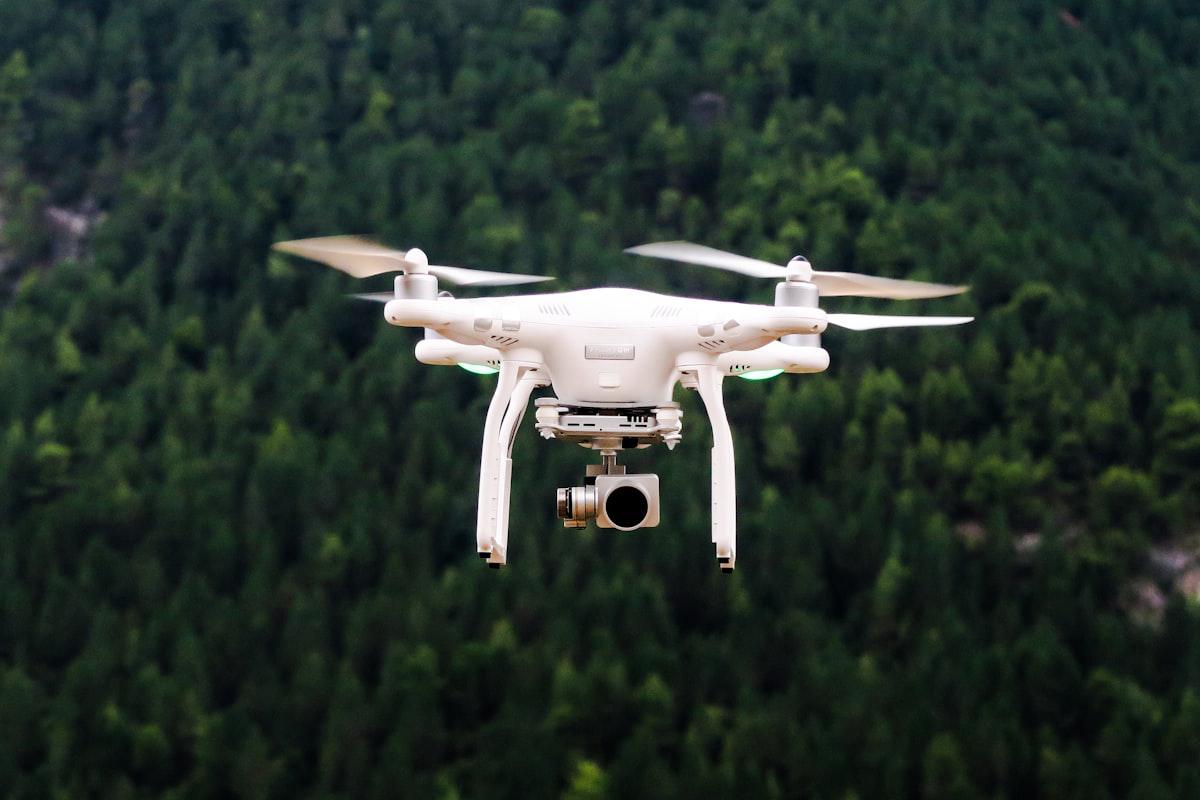
Drone Delivery Injuries: Your Rights and Legal Options#
Delivery drones are no longer science fiction. Amazon, Walmart, Wing, and Zipline are racing to fill the skies with autonomous aircraft carrying packages to your doorstep. But as drones multiply—with over 1 million registered in the United States as of late 2024—so do injuries. From rotor blade lacerations to drones falling from the sky onto crowds, the legal landscape for drone injury claims is rapidly evolving. Understanding your rights is essential.
The Drone Delivery Boom#
The commercial drone industry is expanding at breakneck speed:
Market Growth#
- Over 855,000 drones registered with the FAA as of 2023, exceeding 1 million by late 2024
- 403,358 drones registered for commercial use
- Wing (Alphabet) and Zipline have completed over 2 million deliveries worldwide combined
- Major retailers including Amazon, Walmart, and DoorDash are investing billions in drone delivery infrastructure
- Companies are expanding to 15+ U.S. cities for drone delivery operations
Major Players#
Amazon Prime Air: After years of development, Amazon’s drone delivery program has faced significant setbacks. The company suffered five crashes in 2021 (including one that caused an acres-wide brush fire), at least four in 2022, and a fiery battery failure in November 2023. In January 2025, Amazon paused drone deliveries following mid-air collisions in Oregon and Arizona.
Wing (Alphabet): Completed over 350,000 deliveries, primarily in Australia, with U.S. operations in the Dallas area and Christiansburg, Virginia.
Zipline: Pioneered autonomous delivery with parachute drops, now deploying next-generation drones with tethered delivery droids for precise placement.
Walmart Partnerships: Working with both Wing and Zipline to compete with Amazon’s delivery network.
Drone Accident Statistics: The Growing Problem#
The FAA has documented a troubling increase in drone incidents:
Overall Trends#
- 62% increase in reported drone accidents since 2020
- An estimated 4,250 drone injuries in the United States between 2015 and 2020
- 21% of injuries occurred in individuals under age 18
- Urban areas have seen a 35% increase in drone-related accidents
Injury Patterns#
Research on drone injuries reveals consistent patterns:
Injury Locations:
- Fingers: 56% of all drone injuries—the most commonly affected body part
- Head and face: 58% of pediatric drone injuries
- Other affected areas include hands, arms, and torso
Injury Types:
- Lacerations: 72% of diagnoses—cuts from spinning rotor blades are the dominant injury
- Contusions and abrasions: 10%
- Strains and sprains: 5%
- Internal injuries: 5%
Demographics:
- 84% male, 16% female among injured patients
- Children face significant risk, with head and face injuries predominating
The Physics of Drone Injuries#
Drones are more dangerous than they appear:
- Drones can fly at five to six times the speed required to cause skull fractures
- Even small drones with masses as low as 500 grams can produce enough energy to fracture skulls
- Rotor blades spinning at thousands of RPM can cause deep lacerations instantly
- Maximum legal drone speed is 100 miles per hour—faster than most highway traffic
Recent High-Profile Incidents#
Orlando Drone Show Disaster (December 2024)#
The most serious recent drone injury occurred at Lake Eola Park in Orlando, Florida during a holiday drone show:
- Several drones collided mid-air at approximately 6:45 PM, sending aircraft crashing into the crowd below
- Seven-year-old Alezander Edgerton was struck with such force that the impact damaged his heart valve
- The drone blade cut his mouth, and an imprint of the drone remained visible on his chest
- He underwent hours of open-heart surgery the following day
- The family spent Christmas in the intensive care unit
Investigation and Fallout:
- The NTSB opened an investigation into the incident
- The FAA suspended Sky Elements’ Part 107 waiver—the permit allowing them to fly over people
- The company canceled New Year’s Eve shows in Dallas and New York’s Central Park
- Multiple Orlando venues halted drone shows pending investigation
Amazon Drone Crashes (2024-2025)#
Amazon’s Prime Air program has experienced multiple incidents:
September 2024 (Tolleson, Arizona): Two MK30 drones collided with a construction crane, prompting FAA and NTSB investigations. One person was treated for smoke inhalation. Amazon temporarily halted deliveries in the area.
December 2024 (Pendleton, Oregon): Two MK30 drones crashed due to incorrect altitude indications during software testing.
November 2025 (College Station, Texas): An Amazon drone struck an internet cable, prompting another FAA investigation. No injuries were reported.
Historical Pattern: Amazon has documented crashes in 2021 (five incidents, one causing a brush fire), 2022 (at least four crashes), and 2023 (battery fire that halted operations).
Legal Framework: Who Is Liable?#
Drone injury cases can target multiple parties depending on how the accident occurred:
Drone Operator Liability#
The most common source of liability falls on the person controlling the drone. Operators can be held liable for:
Negligent Operation:
- Flying too close to people (FAA requires minimum 16 feet from bystanders)
- Exceeding altitude limits (400 feet maximum)
- Operating while distracted or impaired
- Flying in restricted airspace
- Ignoring weather conditions that affect drone stability
Violation of FAA Regulations: Breaking federal aviation rules can establish negligence per se—automatic proof of a breach of duty.
Product Liability (Manufacturer Claims)#
If the drone itself was defective, manufacturers can be held liable:
Design Defects: The drone’s fundamental design creates unreasonable danger:
- Inadequate safety sensors
- Insufficient emergency shutdown mechanisms
- Navigation systems prone to errors
- Battery designs that cause fires
Manufacturing Defects: A specific unit was improperly assembled:
- Faulty motors causing loss of control
- Defective rotors or propellers
- Poor quality control in production
Failure to Warn: The manufacturer didn’t adequately warn users about risks:
- Missing warnings about rotor blade dangers
- Incomplete operating instructions
- Failure to communicate known issues
Notable Case: In Richard T. Jacky v. Parrot, S.A., a plaintiff sued after injuring his eye with a Parrot Rolling Spider drone, alleging product defects.
Third-Party Liability#
Additional parties who may share responsibility:
Event Planners and Hosts: For drone shows that go wrong due to:
- Improper planning or safety protocols
- Failure to establish adequate perimeters
- Inadequate crowd control
- Not verifying operator credentials
Drone Rental Companies: If they rented defective equipment or failed to properly maintain drones
Maintenance Providers: For improper servicing that leads to malfunctions
Software Developers: If navigation or collision-avoidance software contains bugs that cause accidents
Delivery Companies: If they negligently deployed drones or failed to implement proper safety protocols
Common Drone Accident Scenarios#
Rotor Blade Injuries#
The spinning propellers are the most dangerous component:
- Rotors spin at thousands of RPM
- Contact causes immediate deep lacerations
- Fingers are most commonly injured when users reach for drones
- Facial lacerations occur when drones fly erratically toward operators or bystanders
Example: A documented case involved a “31-year-old male patient playing with a drone and caught finger in blades, had lacerations to finger.”
Falling Drone Injuries#
When drones lose power, malfunction, or collide, gravity takes over:
- Direct impact can cause blunt force trauma
- Head injuries from falling drones can be severe
- Battery fires upon impact create burn risks
- Multiple falling drones (as in show malfunctions) multiply dangers
Collision Injuries#
Drones striking people, vehicles, or structures:
- High-speed impacts cause significant force
- Even “minor” collisions can cause eye injuries
- Pedestrians and outdoor workers face particular risks
Regulatory Framework#
FAA Drone Regulations#
The Federal Aviation Administration governs civilian drone operations:
Part 107 Rules (commercial operations):
- Drones must stay below 400 feet
- Maximum speed of 100 mph
- Must remain within visual line of sight
- Cannot fly over people without waiver
- Cannot fly at night without waiver
- Operators must be certified
Part 107 Waivers: Commercial operators can apply for permission to exceed standard rules—these can be revoked after incidents, as happened with Sky Elements after Orlando.
Registration Requirements: All drones over 0.55 pounds must be registered with the FAA.
Limitations of Current Regulations#
Significant gaps exist:
- FAA primarily regulates airspace, not ground-level safety
- Limited enforcement capacity for the growing drone population
- No specific standards for delivery drone operations near people
- Emerging technology outpaces regulatory development
Building a Strong Case#
If you’ve been injured by a drone:
1. Document Everything#
- Photograph the drone (if recoverable), the scene, and your injuries
- Note the make, model, and serial number if visible
- Record the exact time, date, and location
- Get witness contact information
- Save any video footage from the incident
2. Seek Medical Attention#
Get evaluated immediately, even for seemingly minor injuries:
- Lacerations may require stitches or surgery
- Head injuries need neurological evaluation
- Internal injuries may not be immediately apparent
- Medical records create essential documentation
3. Preserve Evidence#
Request in writing that all evidence be preserved:
- The drone itself (crucial for defect analysis)
- Flight logs and telemetry data
- Operator training records
- Maintenance history
- Software version information
4. Report the Incident#
- File a report with the FAA (required for certain incidents)
- Report to local police for documentation
- If at an event, file a report with the venue
5. Understand Time Limits#
Statutes of limitations vary by state and claim type:
- Personal injury claims typically 2-4 years
- Product liability claims may have different deadlines
- Government entities may require shorter notice periods
6. Consult Specialized Attorneys#
Drone injury cases require expertise in:
- Aviation law and FAA regulations
- Product liability
- Personal injury litigation
- Emerging technology liability
Questions to Ask After a Drone Injury#
When investigating your case, consider:
- Who was operating the drone?
- Was the operator properly licensed and trained?
- Did the drone malfunction, or was it operator error?
- Has this drone model had prior incidents or recalls?
- Were FAA regulations being followed?
- Was the event properly permitted and insured?
- What safety precautions were in place?
- Is there flight log data available?
The Future of Drone Injury Liability#
As delivery drones become commonplace, legal frameworks will evolve:
Autonomous Operations: As drones fly beyond visual line of sight with AI navigation, questions about who is responsible when algorithms fail will intensify.
Insurance Requirements: Expect mandatory insurance requirements for commercial drone operators, similar to auto liability coverage.
Federal Preemption: Battles over whether federal aviation law preempts state personal injury claims will shape the legal landscape.
Data as Evidence: Flight logs, sensor data, and telemetry will become central to proving (or defending against) claims.
Industry Consolidation: As major companies dominate drone delivery, they become attractive defendants for coordinated litigation when systemic issues cause injuries.
For now, drone injury victims can pursue claims under existing product liability and negligence frameworks. The key is acting quickly to preserve evidence and identify all potentially liable parties before the drone is repaired, returned, or disposed of.
Related Resources#
- Delivery Robots - Ground-based delivery robot liability
- Autonomous Vehicles - Self-driving vehicle claims
- Industrial Automation - Workplace robot injuries
- Contact Us - Get help understanding your legal options
This information is for educational purposes and does not constitute legal advice. Drone injury cases involve complex interactions between federal aviation law, product liability, and personal injury law. Consult with qualified legal professionals to understand your rights.