When Care Robots Cause Harm#
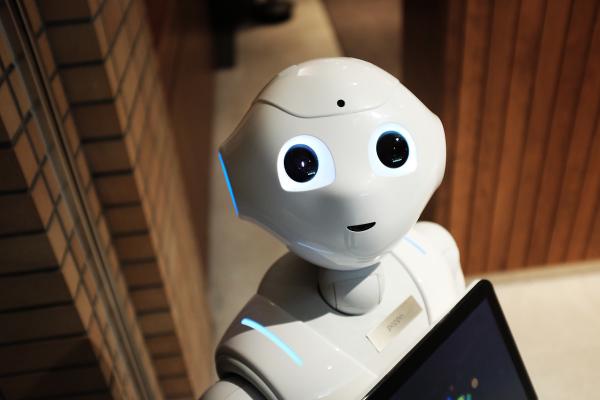
They’re designed to be our friends, helpers, and caretakers. Companion robots promise to ease loneliness for the elderly, engage children with learning disabilities, and provide emotional support for those who need it. But when these machines malfunction, they harm the most vulnerable members of society.
Companion robot liability represents a unique legal frontier: products specifically marketed to those least able to protect themselves—the elderly, children, and people with disabilities. The duty of care is higher, the emotional harm is often significant, and the legal theories are still evolving.
Categories of Companion Robots#
Elderly Care Robots#
Robots designed to assist, monitor, or provide companionship to older adults.
Types of Elderly Care Robots:
- Mobility Assistance — Walkers, wheelchair-pushing robots, fall recovery
- Medication Management — Reminder robots with dispensing capability
- Telepresence — Video communication robots for family connection
- Social Companions — Pets, conversational agents, emotional support
- Monitoring Systems — Activity tracking, emergency detection
- Daily Living Assistance — Fetch-and-carry, door opening, light controls
Common Injury and Harm Types:
| Category | Examples |
|---|---|
| Physical Injury | Falls from mobility robot failure, crushing by lifting devices, burns from malfunctioning food delivery |
| Medical Harm | Missed medication doses, incorrect timing, wrong medication dispensed |
| Emergency Failure | Fall detection misses, delayed alerts, failure to summon help |
| Psychological Harm | Abandonment when robot “dies,” confusion from malfunctions, dependency issues |
| Neglect Facilitation | Caregivers over-relying on robots, reduced human contact |
The Vulnerability Multiplier
Child Companion Robots#
Educational, entertainment, and therapeutic robots designed for children.
Product Categories:
- Educational Robots — STEM learning, coding companions, language tutors
- Entertainment Robots — Interactive pets, play companions, storytelling
- Therapeutic Robots — Autism support, emotional regulation, social skills
- Monitoring Robots — Baby monitors with AI, child safety systems
Child-Specific Hazards:
- Small parts and choking hazards
- Battery access and poisoning risk
- Pinch points sized for small fingers
- Audio levels damaging to developing hearing
- Screen addiction and developmental impacts
- Data collection from minors
- Emotional manipulation by design
- Inappropriate content delivery
Therapeutic and Emotional Support Robots#
Devices specifically designed for mental health and emotional wellbeing.
Application Areas:
- PTSD therapy companions
- Anxiety and depression support
- Autism spectrum support
- Dementia engagement
- Grief and loss companionship
- Social skills development
Unique Liability Concerns:
- Psychological harm from robot failure
- Dependency and withdrawal effects
- Inappropriate emotional manipulation
- Privacy of sensitive disclosures
- Unqualified therapeutic interventions
- Interference with human treatment
Pet-Style Companions#
Robotic animals designed for emotional bonding.
Popular Products:
- PARO therapeutic seal
- Joy for All companion pets
- AIBO robotic dogs
- Various cat and dog simulations
Injury and Harm Types:
- Mechanical failures causing bites/scratches
- Batteries overheating during extended use
- Emotional distress when units fail
- Falls while interacting with mobile pets
- Hygiene issues from inadequate cleaning design
Legal Framework for Companion Robot Claims#
Heightened Duty of Care#
Products designed for vulnerable populations face enhanced legal standards:
Vulnerable User Doctrine:
- Manufacturers must anticipate the specific limitations of intended users
- Elderly users may have slower reactions, cognitive impairments, reduced strength
- Children may not understand instructions, may use products unexpectedly
- Disabled users have specific needs the product claims to address
Implications for Design:
- Safety features must function despite user limitations
- Controls must be accessible to intended population
- Warnings must be comprehensible to target users
- Failure modes must not compound user vulnerabilities
Product Liability Theories#
Design Defect#
Heightened standards for vulnerable user products:
- Does design account for known user limitations?
- Are safety margins sufficient for vulnerable populations?
- Would alternative designs better protect intended users?
- Are failure modes safe for users who cannot respond quickly?
Failure to Warn#
Enhanced warning requirements:
- Are warnings accessible to cognitively impaired users?
- Do warnings reach caregivers and family members?
- Are risks of emotional dependence disclosed?
- Are limitations clearly communicated to purchasers?
Negligent Marketing#
Specific to companion robots:
- Overpromising emotional capabilities
- Implying medical benefits without evidence
- Suggesting replacement of human care
- Targeting desperate family members
- Minimizing known limitations
Institutional Liability#
When companion robots are deployed in care facilities:
Nursing Homes and Assisted Living:
- Duty to supervise robot interactions
- Staff training on robot limitations
- Protocols for robot malfunction
- Informed consent from residents/families
- Integration with care plans
Therapeutic Settings:
- Professional supervision requirements
- Scope of practice questions for robot use
- Liability for therapeutic outcomes
- Privacy and confidentiality
Emotional Harm Recognition#
Companion robot cases often involve significant non-physical harm:
Recognized Emotional Injuries:
- Grief from robot “death” or failure
- Anxiety from dependency disruption
- Confusion and distress in dementia patients
- Regression in therapeutic progress
- Loss of trust affecting human relationships
Legal Challenges:
- Proving emotional damages
- Distinguishing foreseeable harm
- Quantifying non-economic losses
- Defense arguments about “just a robot”
Case Studies#
Yamamoto v. CareBot Systems
87-year-old woman fell after mobility assistance robot incorrectly sensed support was no longer needed. Hip fracture led to pneumonia and death. Evidence showed sensor failure mode known to manufacturer.
Peterson Family v. KidCompanion Inc.
Therapeutic companion robot for autistic child malfunctioned, displaying erratic behavior that caused severe regression in child's social development. Family proved manufacturer knew of software bugs before deployment.
Greenwood v. Memory Care Associates
Nursing home deployed companion robot that was abruptly removed when company discontinued product. Resident with dementia suffered documented psychological harm from sudden removal of attachment figure.
Roberts v. RoboPet Manufacturing
Battery in therapeutic pet companion caught fire while in lap of bedridden elderly patient. Third-degree burns and prolonged hospitalization. Prior battery complaints had been ignored.
Building a Companion Robot Case#
Evidence Specific to Companion Cases#
User Vulnerability Documentation:
- Medical records establishing user limitations
- Care assessments and diagnoses
- Caregiver observations of capability
- History of interaction with technology
- Professional evaluations of appropriateness for robot use
Attachment and Dependency Evidence:
- Duration and intensity of robot use
- User statements about relationship with robot
- Behavioral changes during and after use
- Therapeutic notes referencing robot
- Family observations of bonding
Marketing and Sales Evidence:
- How product was presented to purchaser
- Claims made about benefits and safety
- Target marketing to vulnerable populations
- Sales training materials
- User testimonials and case studies used in marketing
Post-Incident Impact:
- Psychological evaluations after harm
- Changes in behavior, cognition, or function
- Regression in therapeutic progress
- Medical consequences of physical injuries
- Impact on trust and willingness to accept care
The Caregiver Perspective
Expert Witnesses#
Companion robot cases require interdisciplinary expertise:
| Expert Type | Role |
|---|---|
| Gerontologist | Elderly user vulnerabilities, appropriate technology use |
| Child Psychologist | Child development, therapeutic robot impacts |
| Robotics Engineer | Design analysis, failure modes, alternatives |
| Human-Robot Interaction Specialist | Attachment, dependency, appropriate design |
| Neuropsychologist | Cognitive impacts, emotional harm assessment |
| Life Care Planner | Long-term needs following injury |
| Economist | Loss of care value, future care costs |
Damages Considerations#
Physical Injury Multipliers: Vulnerable users often suffer worse outcomes from equivalent injuries:
- Longer recovery times
- Higher complication rates
- Permanent loss of independence
- Accelerated decline
- Secondary harms (depression, isolation)
Emotional Harm Recognition: Courts increasingly recognize companion robot emotional harm:
- Documented attachment disruption
- Professional assessment of psychological injury
- Impact on therapeutic progress
- Behavioral and cognitive changes
Care Cost Impacts: Robot failure often increases care needs:
- Additional supervision requirements
- Loss of independent function
- Therapy for psychological harm
- Transition to higher care levels
Ethical and Legal Frontiers#
The Robot Rights Question#
As companion robots become more sophisticated, legal questions emerge:
- Can emotional harm from robot “death” be compensated?
- Do users have rights in robot continuity?
- What obligations exist for product discontinuation?
- How should courts value human-robot relationships?
Dependency and Manipulation#
Design Ethics:
- Are companion robots designed to maximize attachment?
- Is emotional manipulation a feature or defect?
- Who benefits from user dependency?
- Should attachment strength be limited?
Legal Implications:
- Dependency-by-design as defect
- Failure to warn about attachment risks
- Withdrawal symptoms as foreseeable harm
- Manufacturer duties for product discontinuation
Privacy and Surveillance#
Companion robots often collect extensive data:
Data Collection Concerns:
- Voice recordings of vulnerable users
- Video surveillance in private spaces
- Health and behavior monitoring
- Location and movement tracking
- Emotional state analysis
Legal Protections:
- HIPAA implications for health data
- State privacy law requirements
- Consent capacity of vulnerable users
- Data security obligations
Frequently Asked Questions#
Find a Companion Robot Liability Attorney#
Companion robot cases require attorneys who understand:
- Vulnerable population protection law
- Product liability for specialized users
- Emotional harm and psychological damages
- Institutional and caregiver liability
- Emerging human-robot interaction law
- Medical and therapeutic expert coordination
Loved One Harmed by a Companion Robot?
These machines are trusted with our most vulnerable family members. When they fail, the consequences can be devastating. Connect with attorneys who understand both the technology and the unique duty of care owed to elderly, children, and disabled users.
Get Free Consultation